00A game in nine moves

The simplest game there is.Played like it matters.

Tic-tac-toe, told in nine moves by Khalil Abu Mushref. I lead product for a living. This is how I think when the board is small and every square counts.

01The premise

The premise

Nine squares. Two marks. Three in a row.

A child can play it. A computer was playing it perfectly in 1952, on a screen of 35 by 16 dots.

That is exactly why it is a good test. With nothing to hide behind, all that is left is how you think.

02The game

The game

  1. Move 01X takes the top-left corner

    Open with position.

    Take a corner and the other side has exactly one safe reply. I start products the same way. Before any feature, find the position that leaves the problem the fewest ways out.

  2. Move 02O takes the centre

    Expect the good reply.

    It finds the one safe square. Good. A plan that only works when the other side plays badly is not a plan. Budgets, deadlines and legacy systems always take the centre.

  3. InterludePixels become wood

    Now build it.

    So far this is the idea of a game, a few dozen pixels wide. Ideas are cheap at this resolution. The work starts when it has to become real.

  4. Move 03X takes the opposite corner

    Think two moves out.

    The far corner threatens nothing. But two of the six squares left now lose the game for O. Most of my job is this kind of move. Quiet today, decisive later.

  5. Move 04O takes the top-right corner

    Let the board do the work.

    There it is. The corner looks strong, and it threatens the diagonal. It is also one of the two losing squares. I did not force the mistake. The position did.

  6. Move 05X blocks at the bottom-left corner

    One move, two wins.

    I have to block the diagonal. The same tile opens two lines of my own, and O can only stop one. The best decisions look like this. They close today’s risk and open tomorrow’s options at once.

  7. Move 06O takes the top edge

    Late threats are noise.

    O ignores both lines and builds a threat of its own. It would be dangerous if it were not already too late. Knowing which alarms to ignore is half of delivery.

  8. Move 07X completes the bottom row

    Three in a row.

    Bottom row. It wins the game and kills the counter-threat in the same square. Seven moves, and none of them was luck.

  9. Move 08X completes the left column

    Finish the other line anyway.

    The game is over. The fork had two lines and I only needed one. I finish the second anyway. Shipping is the minimum. Finishing is the job.

  10. Move 09X places the last tile

    One more thing.

    One square left. Nobody asked for it. It is the difference between a board that won and a board that is done.

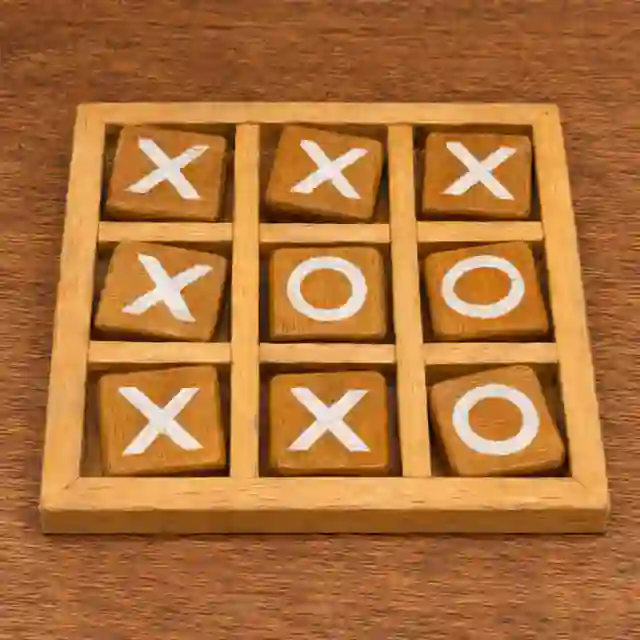
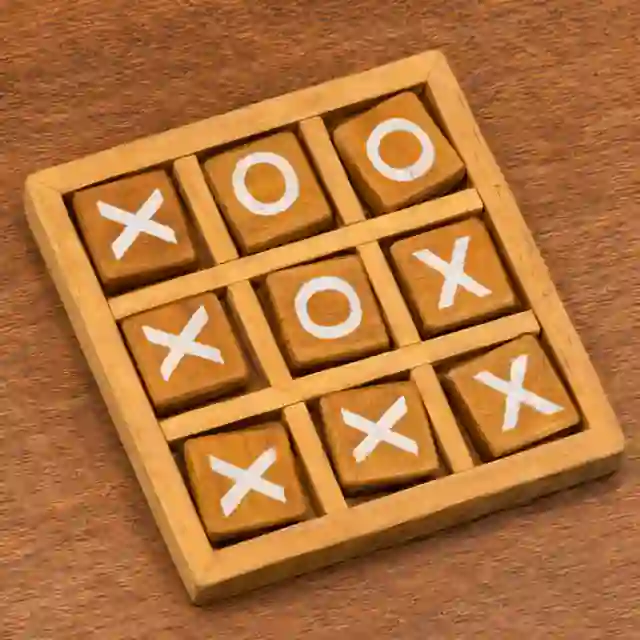
  11. FinalTwo lines to none

    Board full.

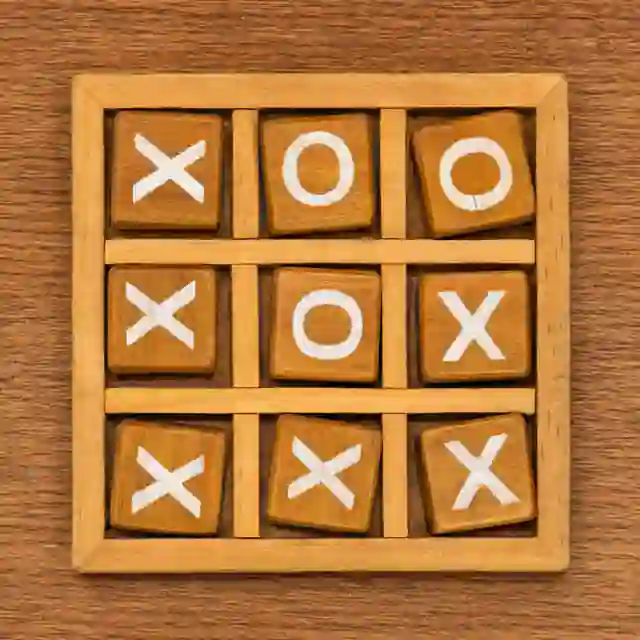
    Nine tiles down. Two lines for X, none for O. That is the result. Understanding it is the next part.

03Every side

  1. A won board is not an understood one.Walk around it.

  2. Side 01Front

    The user’s side.

    What does the person holding this actually need? Everything starts there.

  3. Side 02Right

    The business side.

    A strategy has to survive contact with a budget, a mandate and a deadline.

  4. Side 03Back

    The engineering side.

    If it cannot be built, tested and maintained, it is a wish. Not a plan.

  5. Side 04Left

    The team’s side.

    Products are shipped by people. I lead the room, not just the roadmap.

  6. LayersOne photograph, sliced

    Then take it apart.
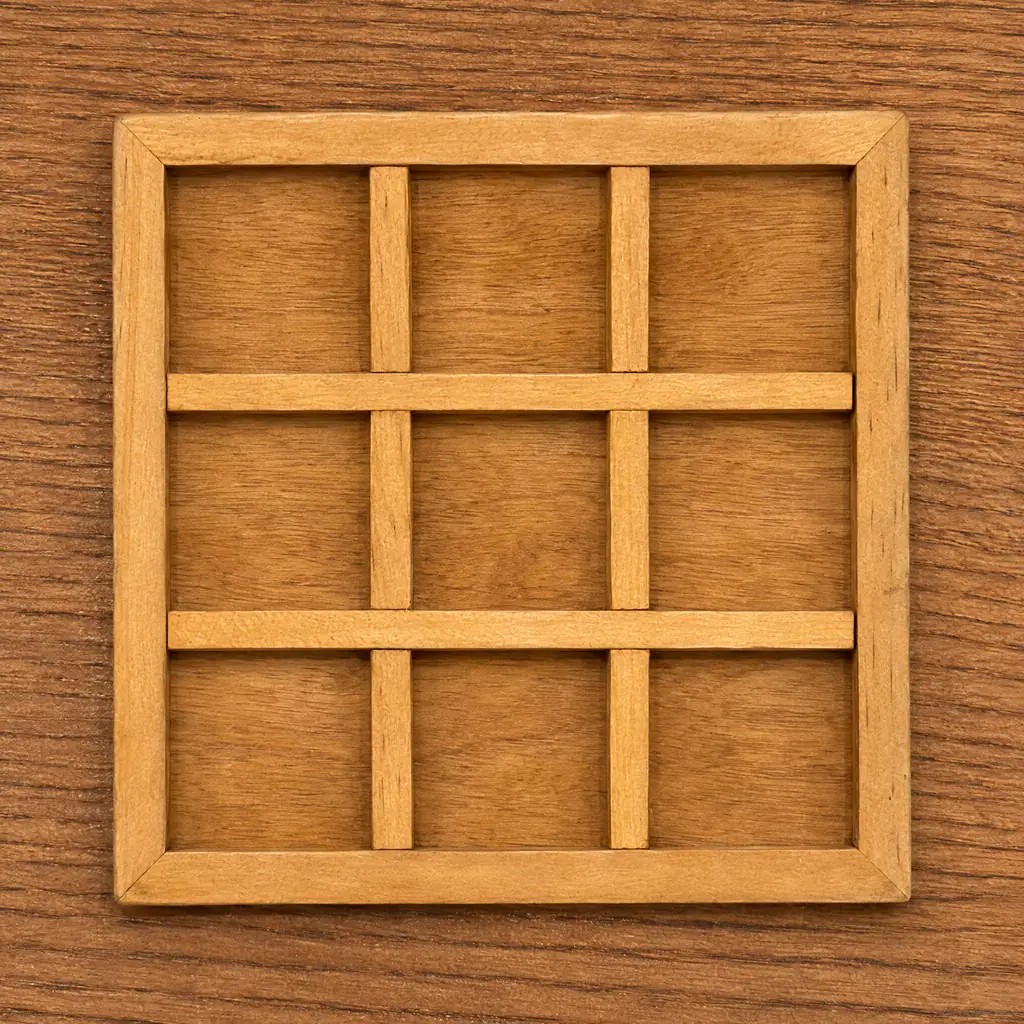
    Table, frame, nine tiles. All of it is one overhead photograph, cut into layers and stacked back up live in your browser. Knowing how a thing is built is part of knowing the thing.

  7. ClosedBack in one piece

    Same board. Now understood.

04Clarity

  1. Then take away everythingthat is not the point.
    The last stretch of any product is subtraction. Requirements people can see through. Decisions with nothing hidden inside them. The same game, with nothing in the way.
05How I play

Strategy, craft, clarity.Three in a row.

  1. The X tile as 32 by 32 pixel art

    (01)pixel

    Think small first.

    Reduce the problem until it fits on a board this size. If the idea does not survive at low resolution, more detail will not save it.

    • Product strategy and discovery
    • AI-enabled products and agentic workflows

    62+government entities in the portfolio I lead product management for

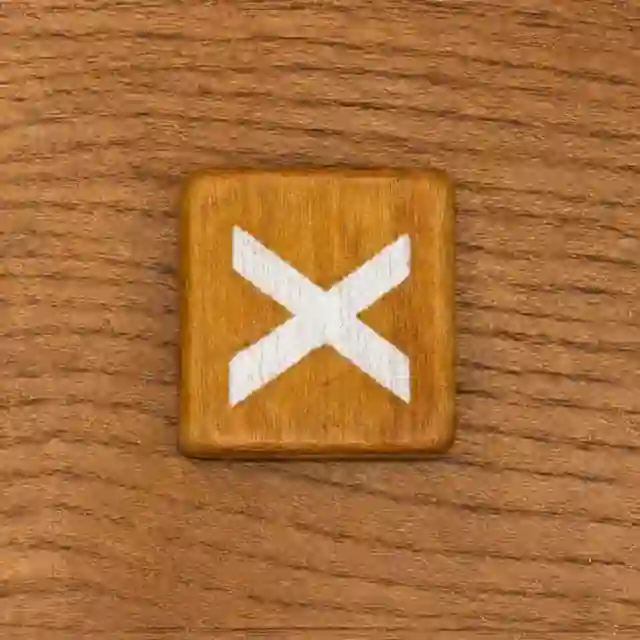
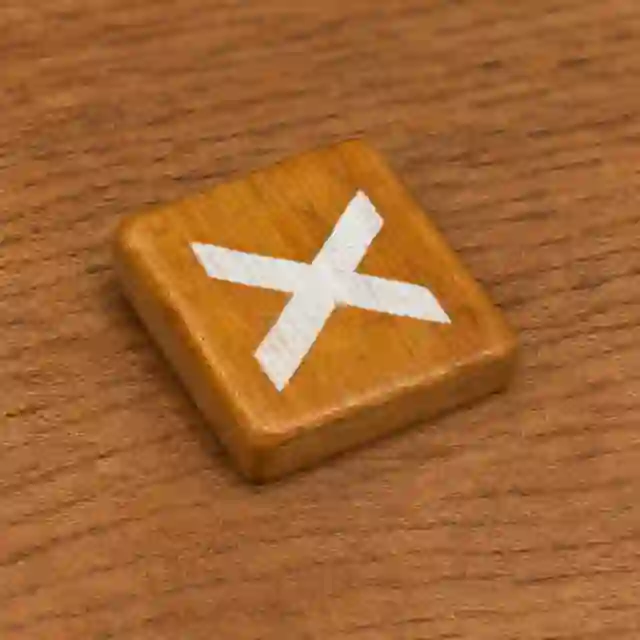
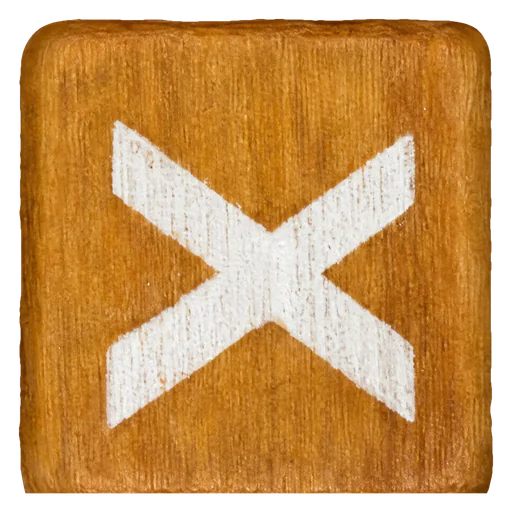
  2. The wooden X tile, photographed from above

    (02)wood

    Build it properly.

    Real materials, real constraints. Ownership, governance and the unexciting detail that decides whether something ships and stays shipped.

    • Product ownership and delivery governance
    • Business analysis and requirements

    60+client software products run on a delivery framework I developed

  3. (03)glass

    Make it clear.

    Dashboards, documents and decisions people can see through. Evidence over opinion, every time.

    • Business intelligence and data products
    • Government, healthcare and fintech platforms

    100+dashboards built to put decisions on evidence

07The set

Forty-eight renders.No camera.

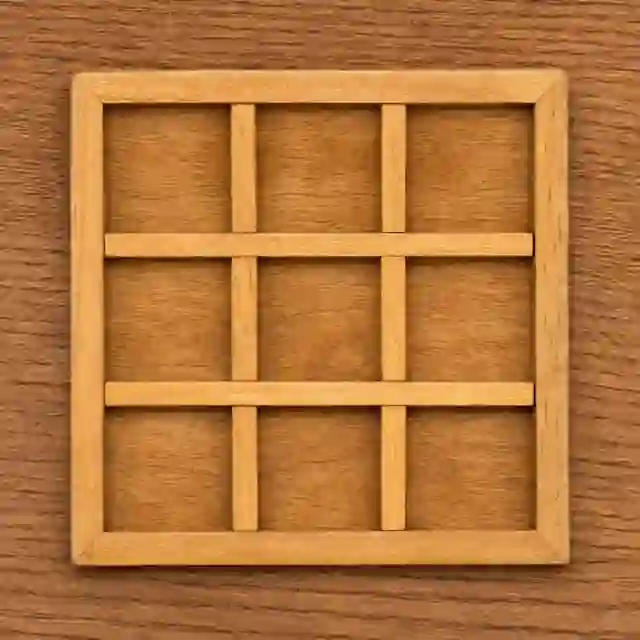
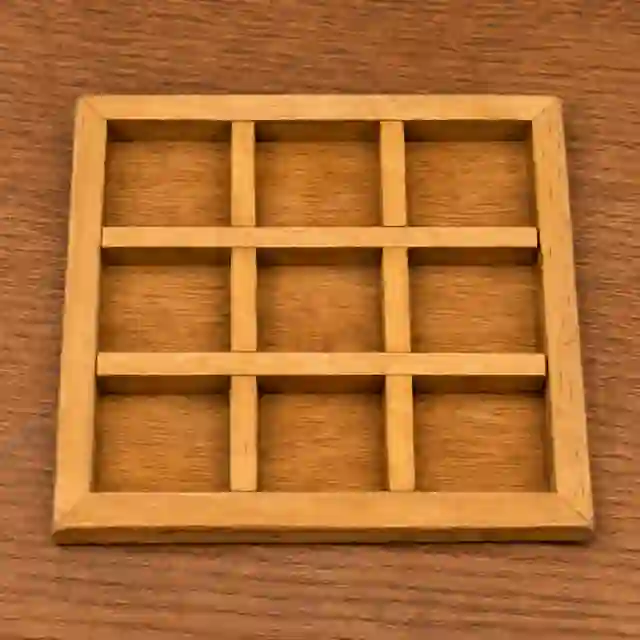
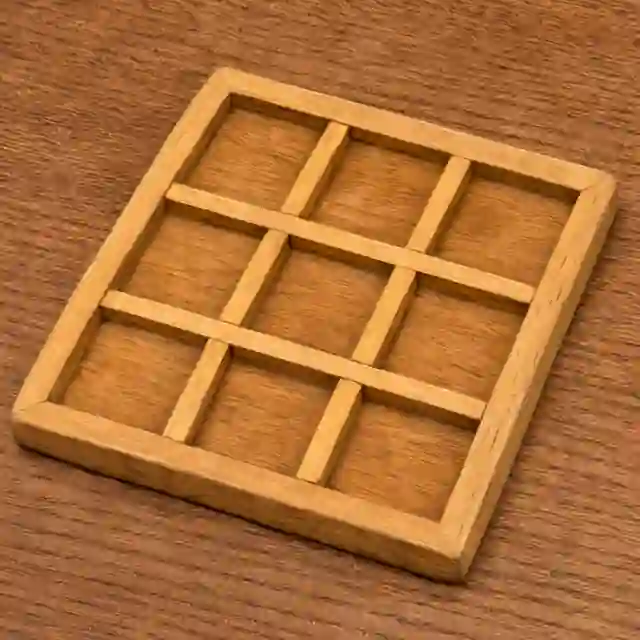
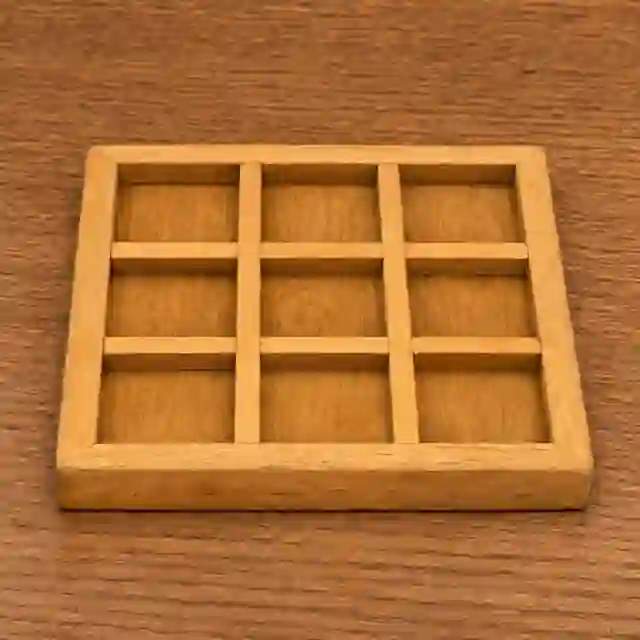
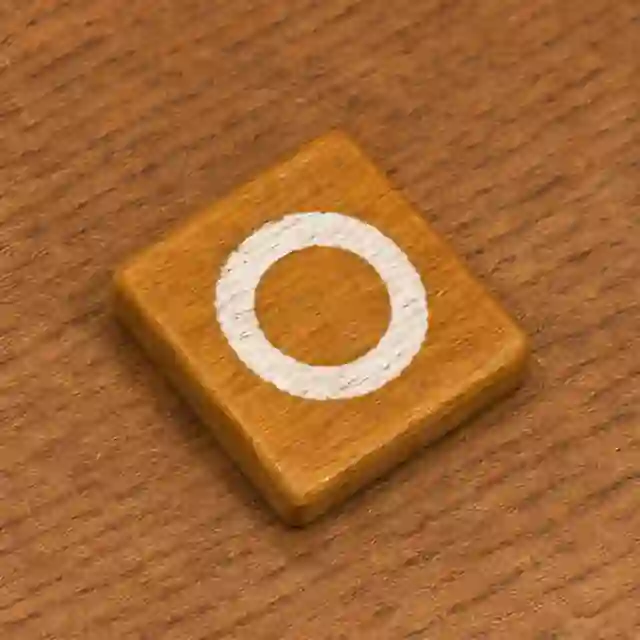
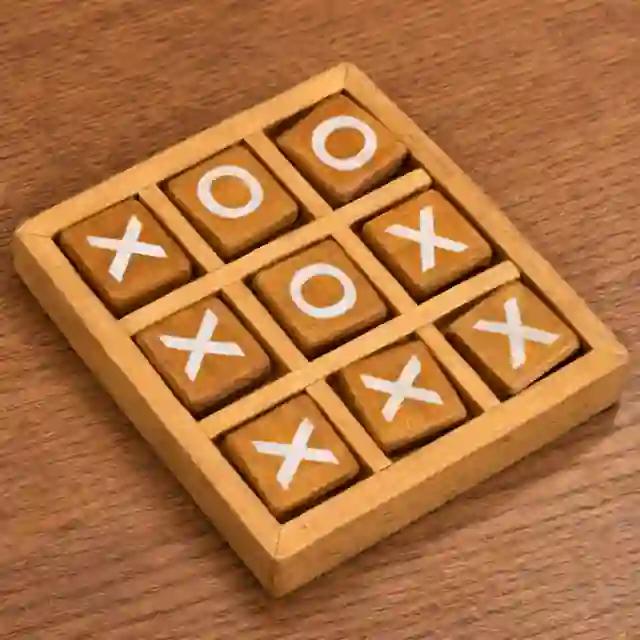
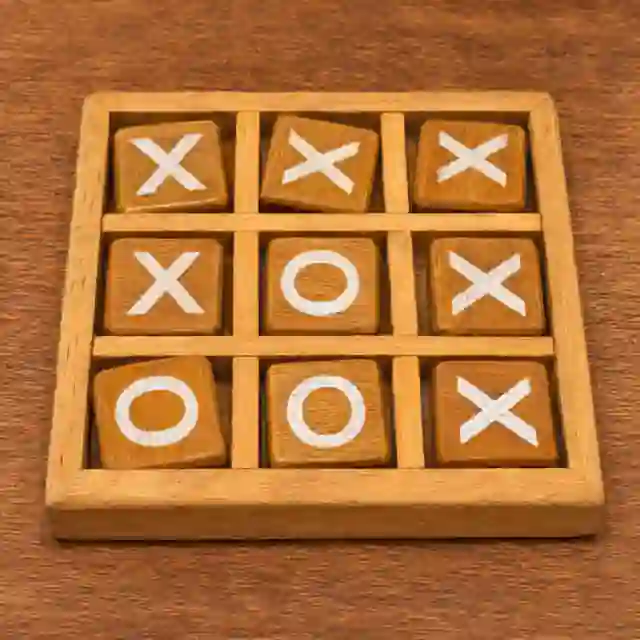
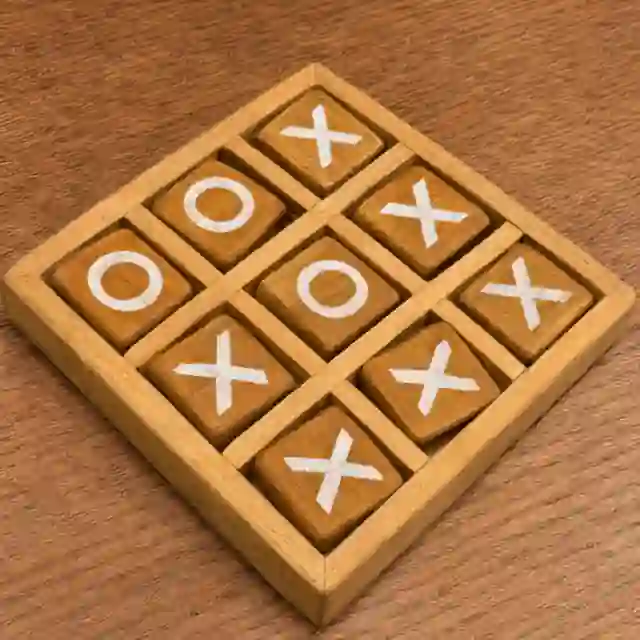
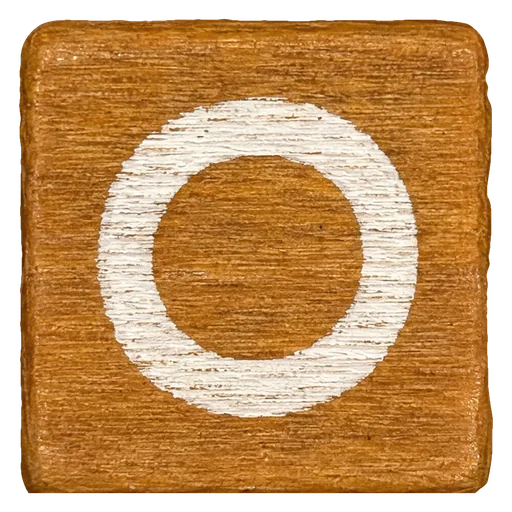
Every picture of the wooden set on this page was generated with Higgsfield from three reference photographs. Four subjects, twelve angles each. The glass pieces and the tile with my mark came out of the same process.

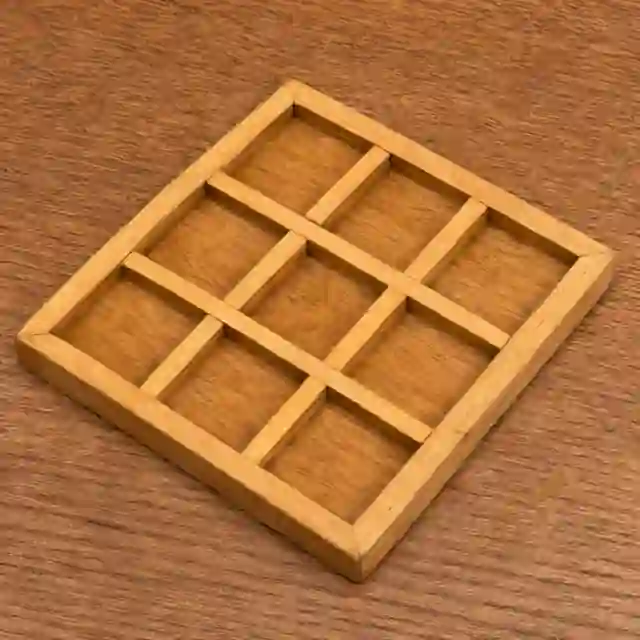
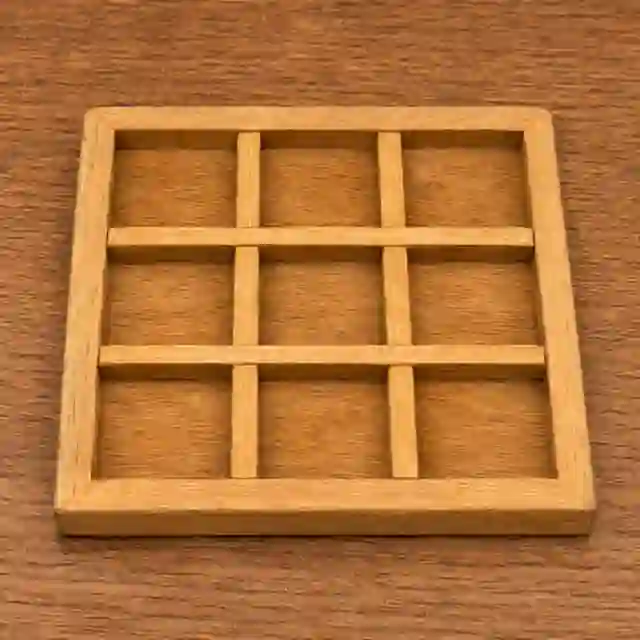
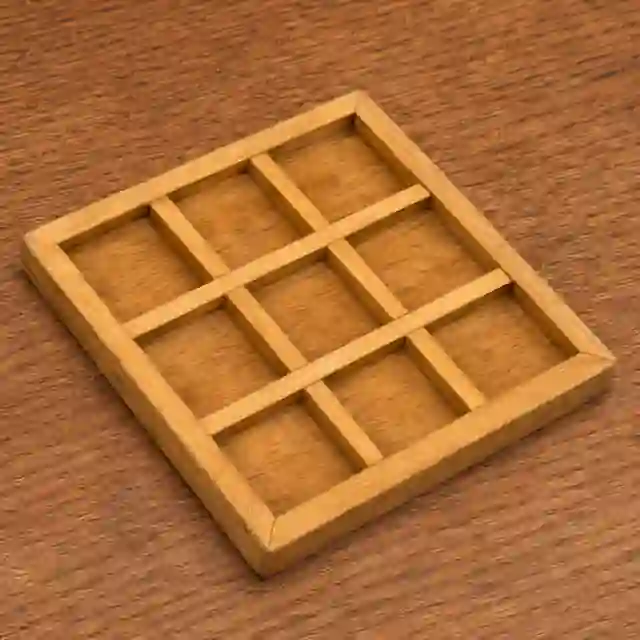
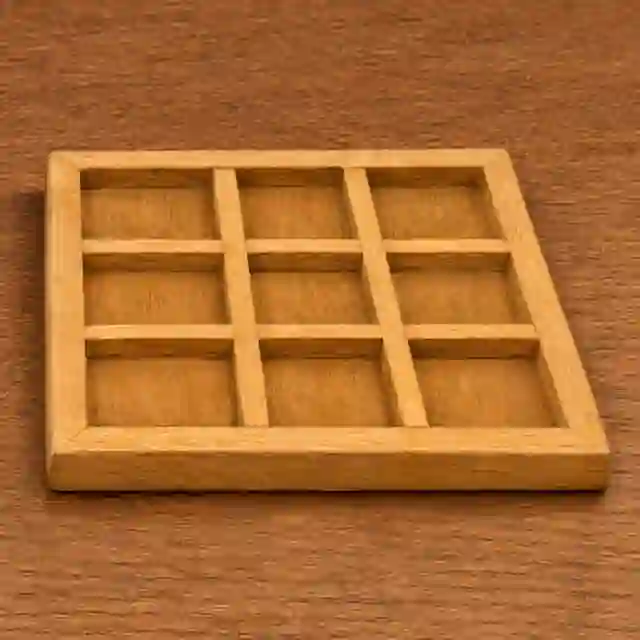
Board, 12 views

  • Empty wooden board, overhead view
    Azimuth 0 degrees, elevation 90 degrees
  • Empty wooden board, front view
    Azimuth 0 degrees, elevation 45 degrees
  • Empty wooden board, front-right view
    Azimuth 45 degrees, elevation 45 degrees
  • Empty wooden board, right view
    Azimuth 90 degrees, elevation 45 degrees
  • Empty wooden board, back-right view
    Azimuth 135 degrees, elevation 45 degrees
  • Empty wooden board, back view
    Azimuth 180 degrees, elevation 45 degrees
  • Empty wooden board, back-left view
    Azimuth 225 degrees, elevation 45 degrees
  • Empty wooden board, left view
    Azimuth 270 degrees, elevation 45 degrees
  • Empty wooden board, front-left view
    Azimuth 315 degrees, elevation 45 degrees
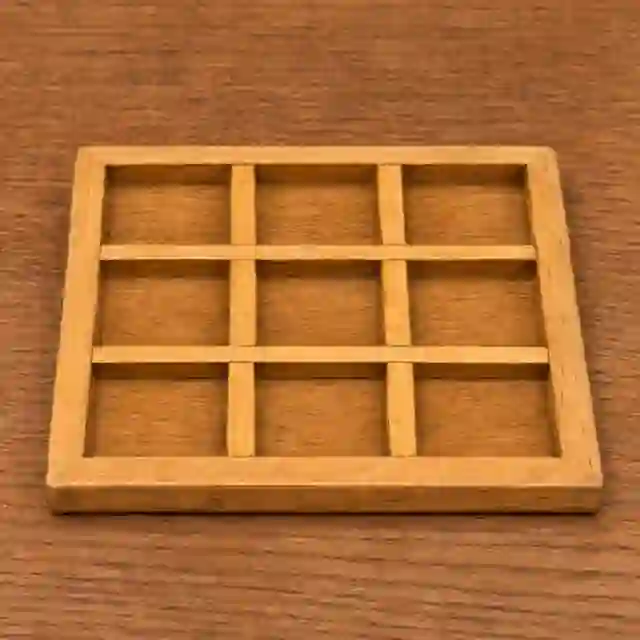
  • Empty wooden board, low front view
    Azimuth 0 degrees, elevation 20 degrees
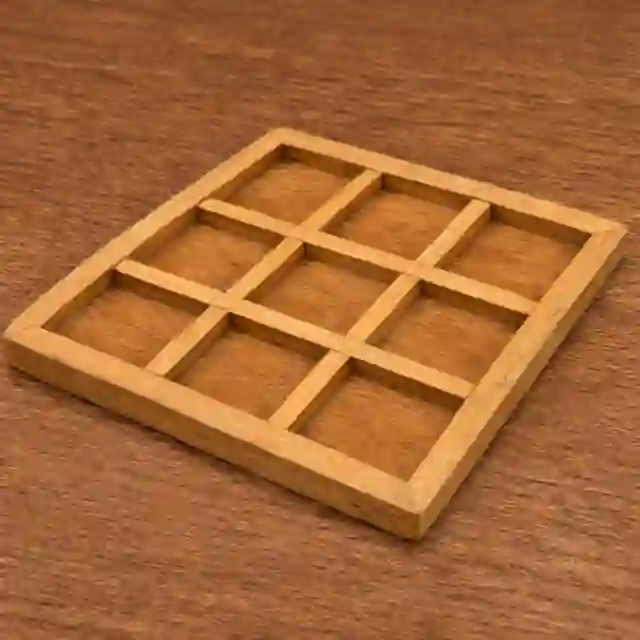
  • Empty wooden board, low front-right view
    Azimuth 45 degrees, elevation 20 degrees
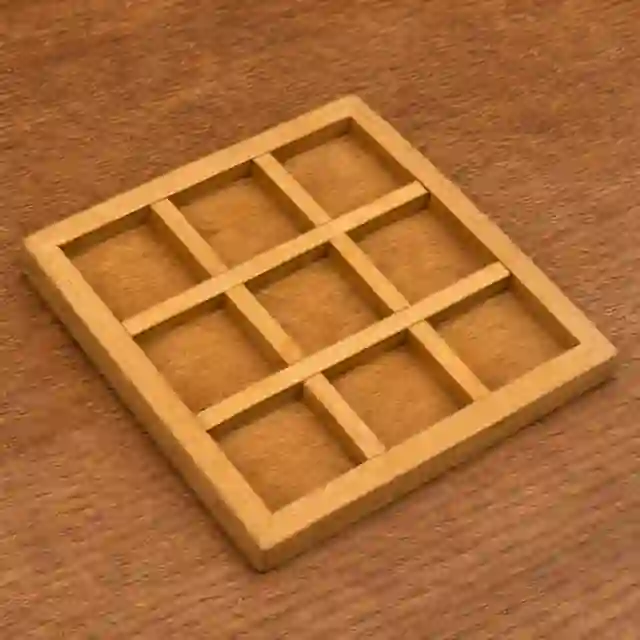
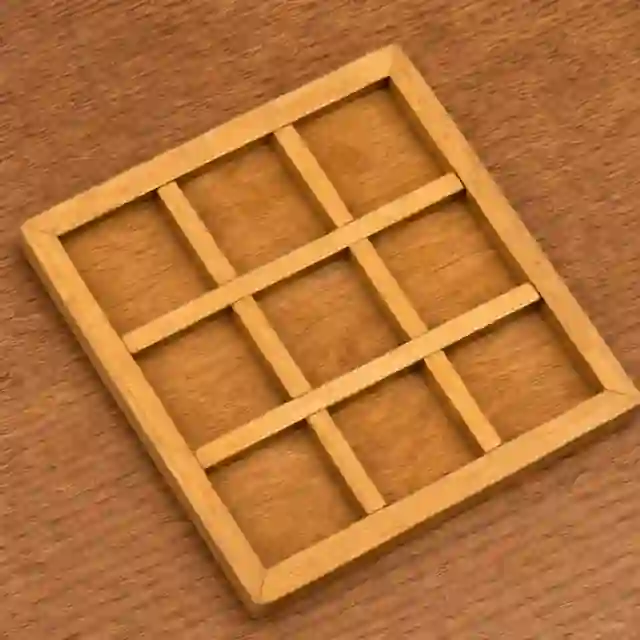
  • Empty wooden board, high front-left view
    Azimuth 315 degrees, elevation 70 degrees

X tile, 12 views

  • Wooden X tile, overhead view
    Azimuth 0 degrees, elevation 90 degrees
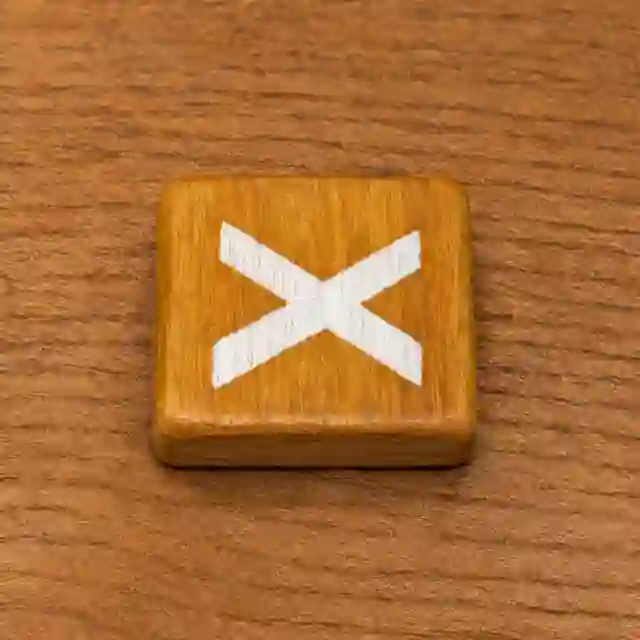
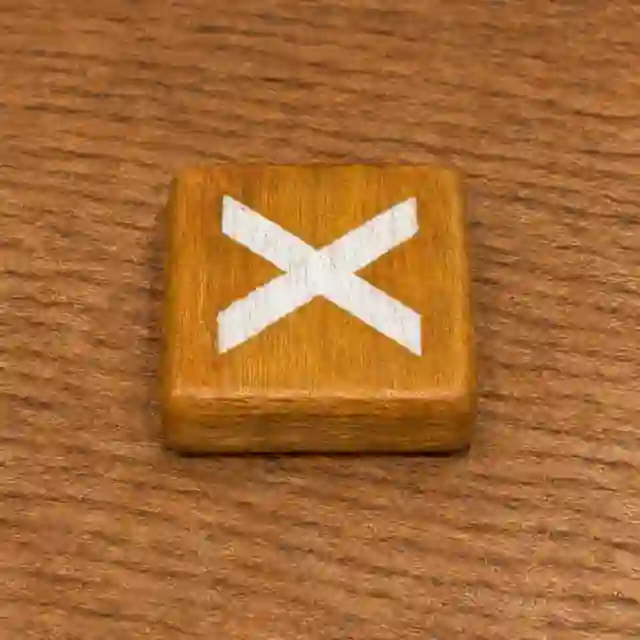
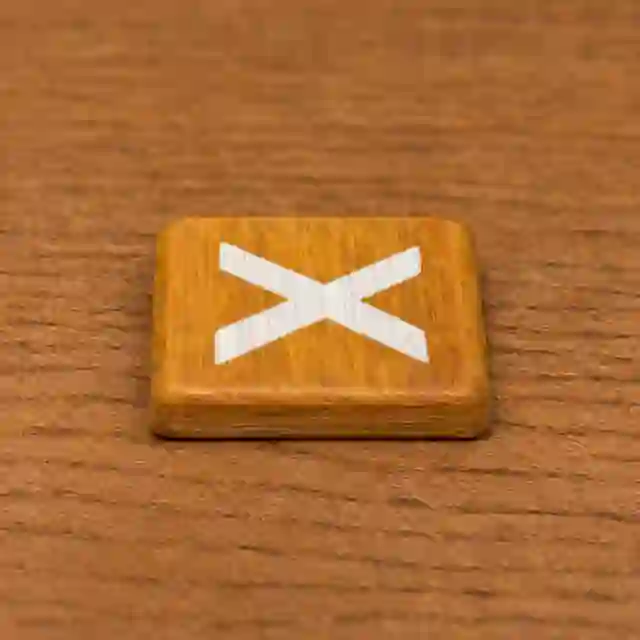
  • Wooden X tile, front view
    Azimuth 0 degrees, elevation 45 degrees
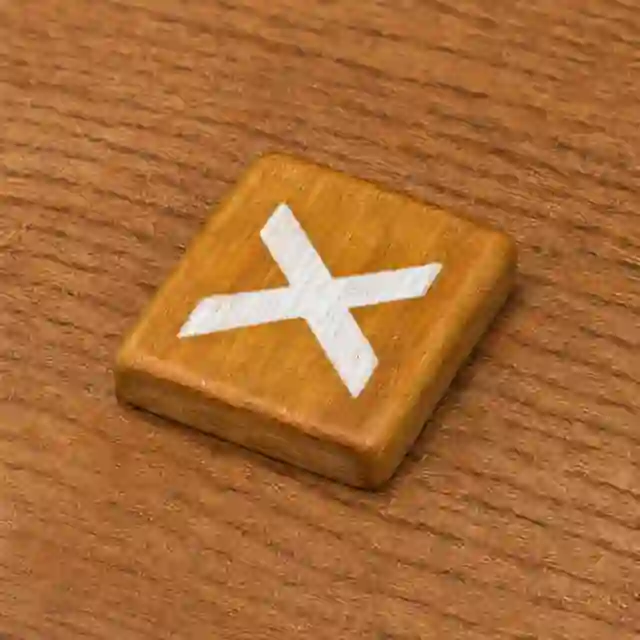
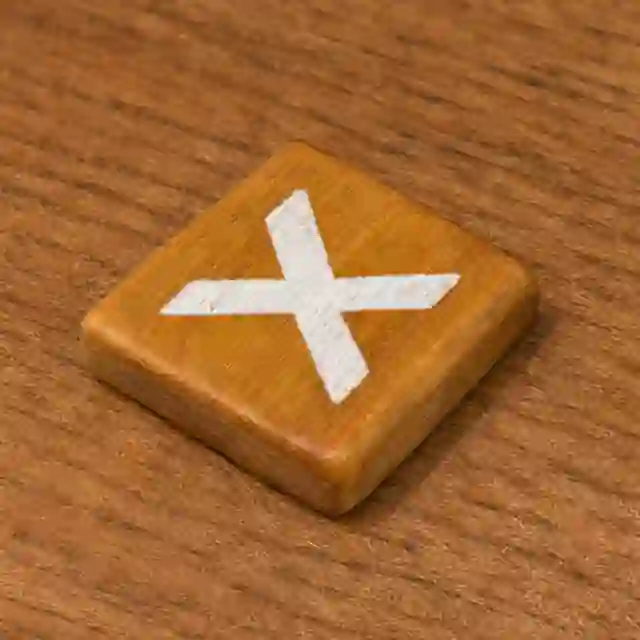
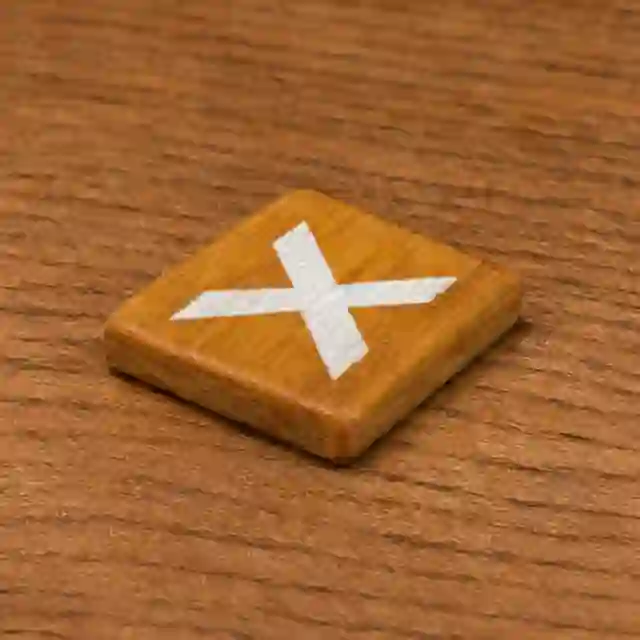
  • Wooden X tile, front-right view
    Azimuth 45 degrees, elevation 45 degrees
  • Wooden X tile, right view
    Azimuth 90 degrees, elevation 45 degrees
  • Wooden X tile, back-right view
    Azimuth 135 degrees, elevation 45 degrees
  • Wooden X tile, back view
    Azimuth 180 degrees, elevation 45 degrees
  • Wooden X tile, back-left view
    Azimuth 225 degrees, elevation 45 degrees
  • Wooden X tile, left view
    Azimuth 270 degrees, elevation 45 degrees
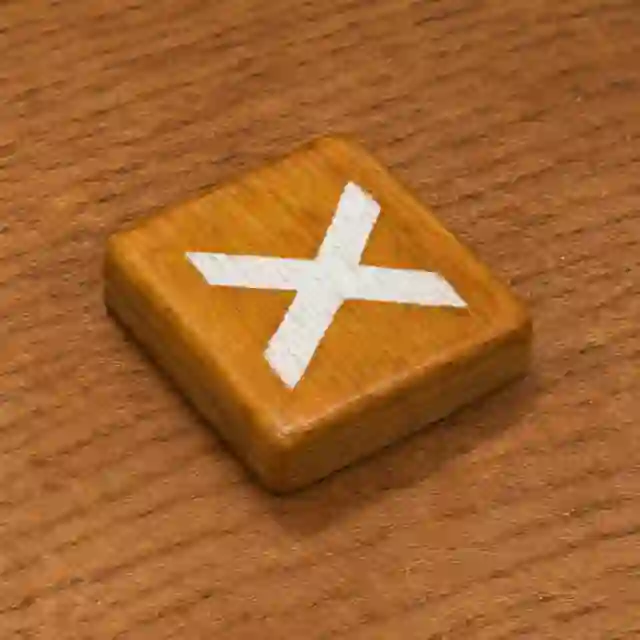
  • Wooden X tile, front-left view
    Azimuth 315 degrees, elevation 45 degrees
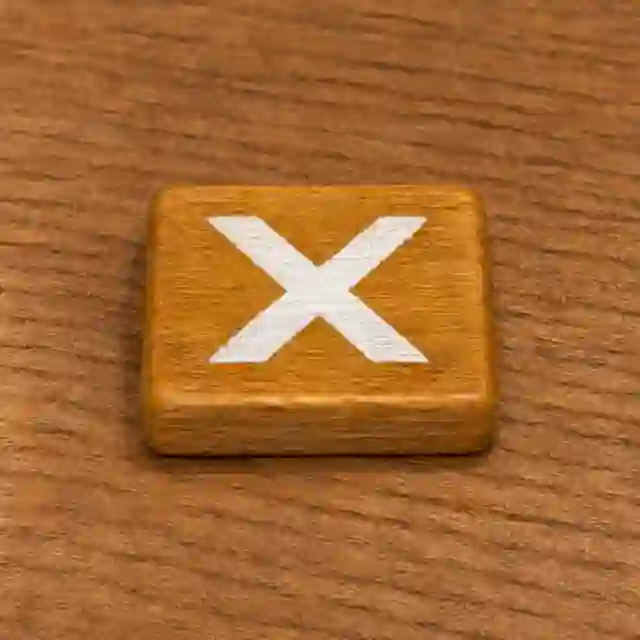
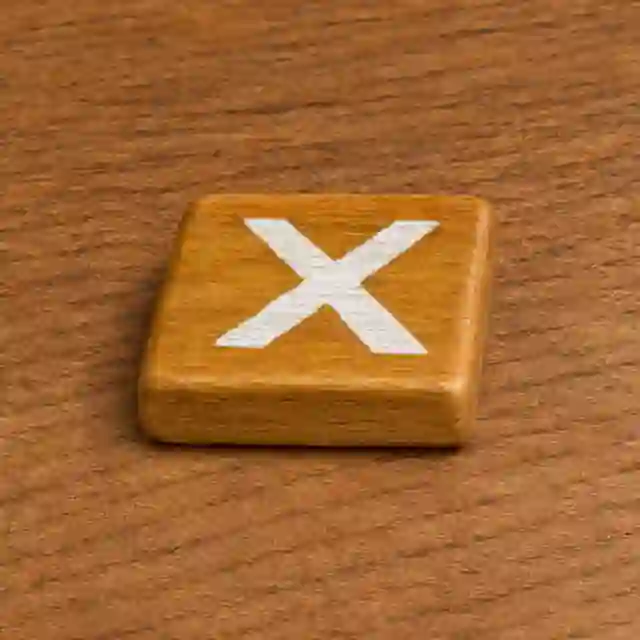
  • Wooden X tile, low front view
    Azimuth 0 degrees, elevation 20 degrees
  • Wooden X tile, low front-right view
    Azimuth 45 degrees, elevation 20 degrees
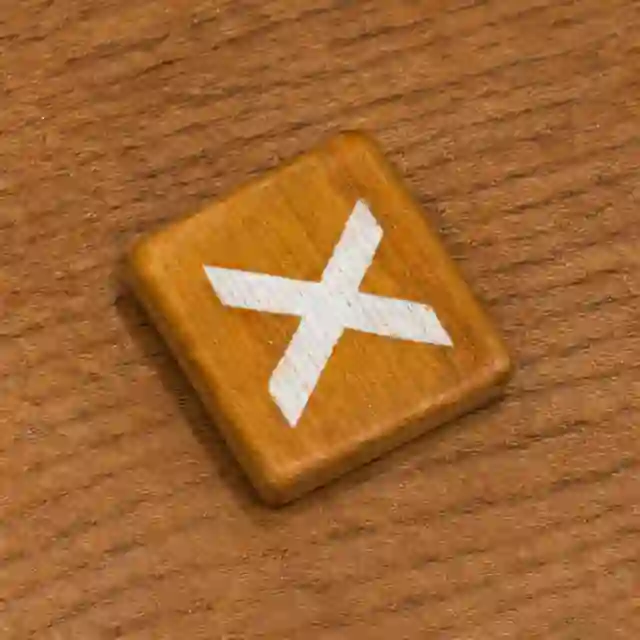
  • Wooden X tile, high front-left view
    Azimuth 315 degrees, elevation 70 degrees

O tile, 12 views

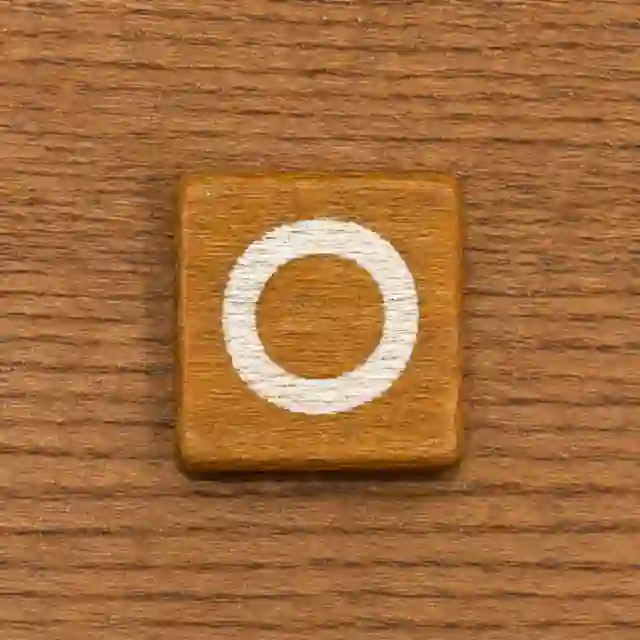
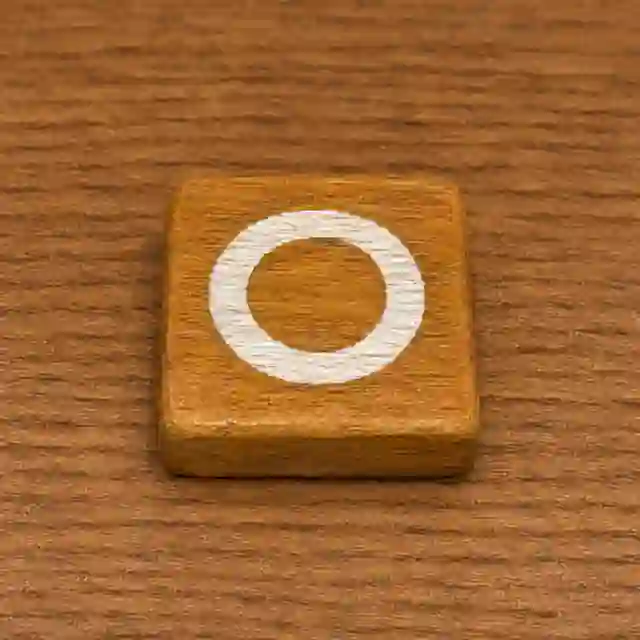
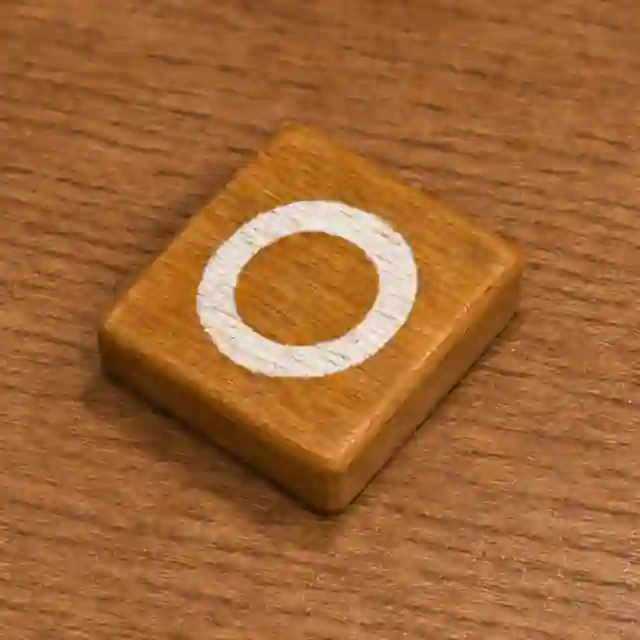
  • Wooden O tile, overhead view
    Azimuth 0 degrees, elevation 90 degrees
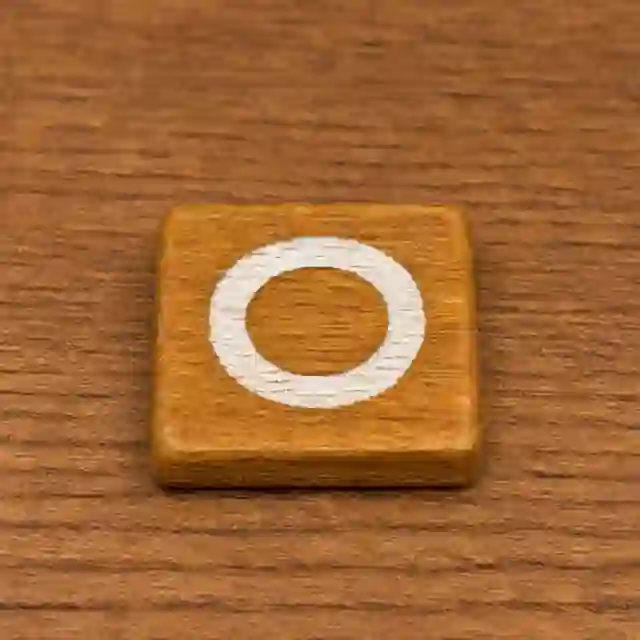
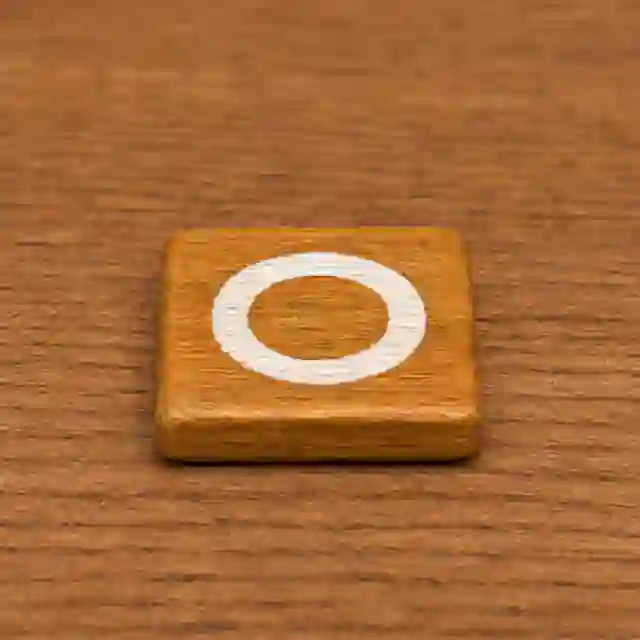
  • Wooden O tile, front view
    Azimuth 0 degrees, elevation 45 degrees
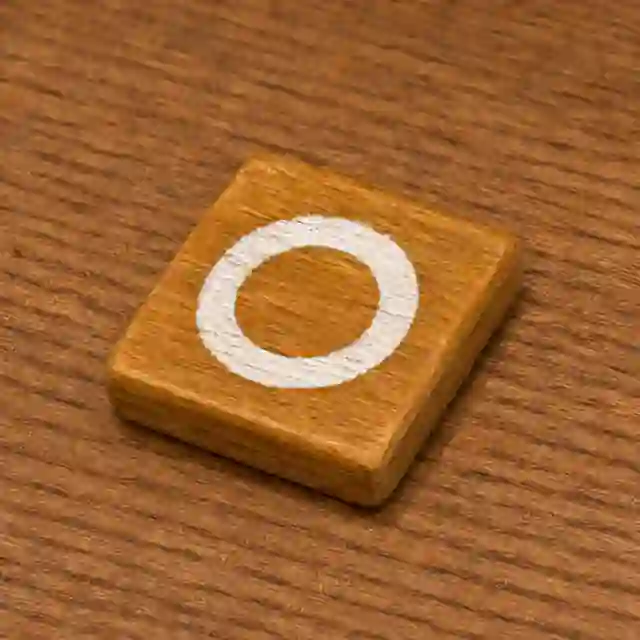
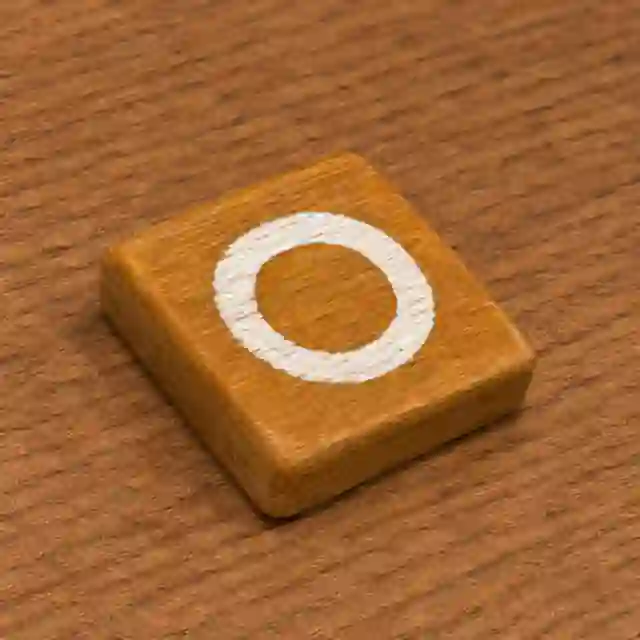
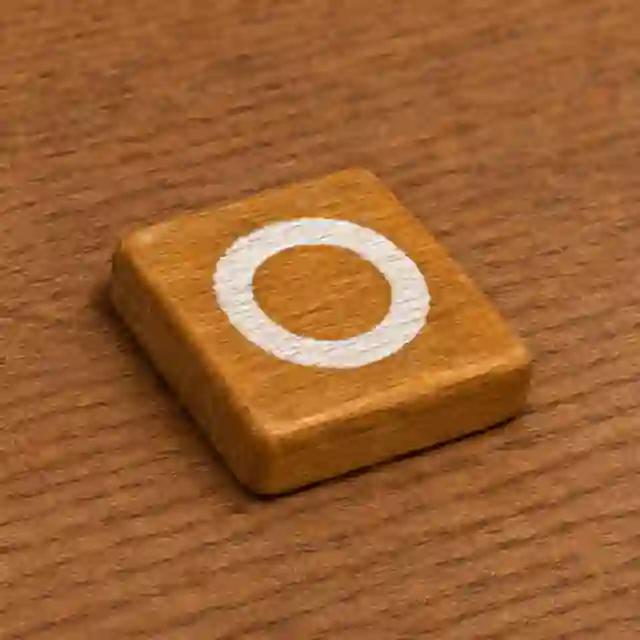
  • Wooden O tile, front-right view
    Azimuth 45 degrees, elevation 45 degrees
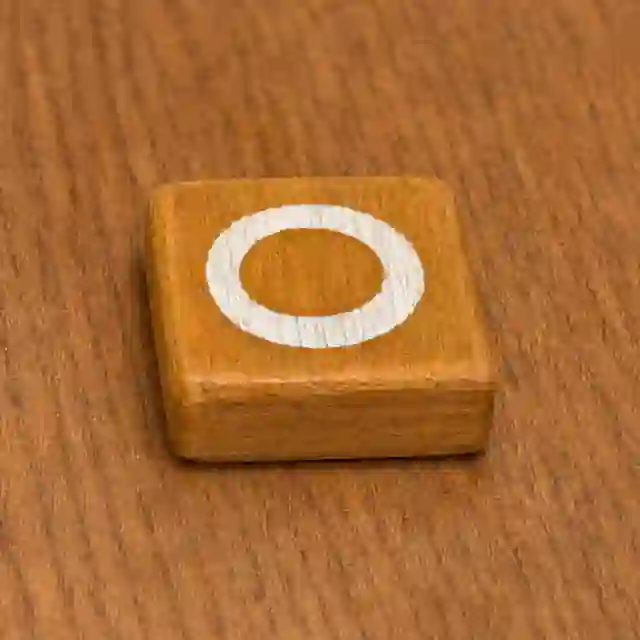
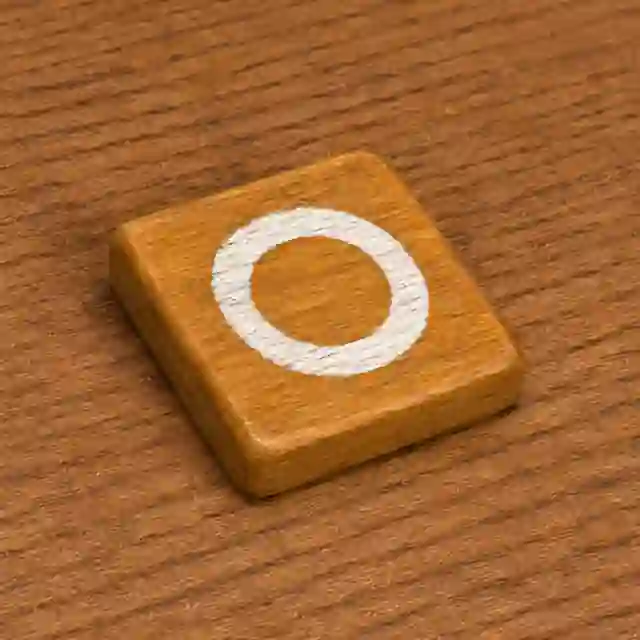
  • Wooden O tile, right view
    Azimuth 90 degrees, elevation 45 degrees
  • Wooden O tile, back-right view
    Azimuth 135 degrees, elevation 45 degrees
  • Wooden O tile, back view
    Azimuth 180 degrees, elevation 45 degrees
  • Wooden O tile, back-left view
    Azimuth 225 degrees, elevation 45 degrees
  • Wooden O tile, left view
    Azimuth 270 degrees, elevation 45 degrees
  • Wooden O tile, front-left view
    Azimuth 315 degrees, elevation 45 degrees
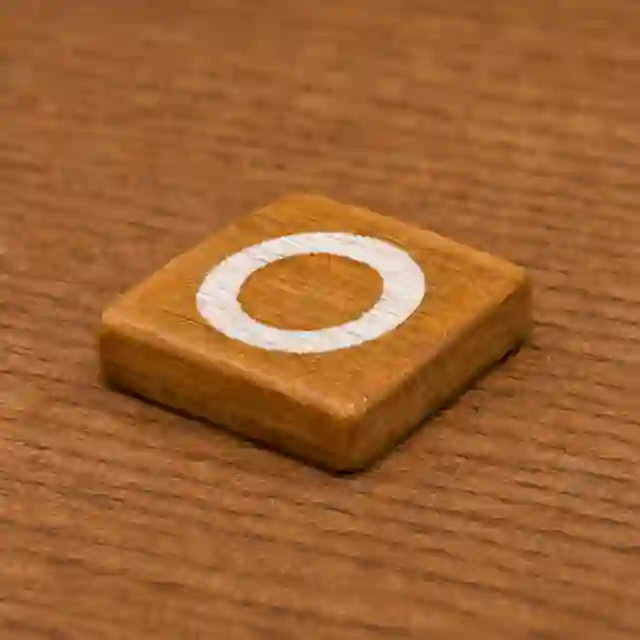
  • Wooden O tile, low front view
    Azimuth 0 degrees, elevation 20 degrees
  • Wooden O tile, low front-right view
    Azimuth 45 degrees, elevation 20 degrees
  • Wooden O tile, high front-left view
    Azimuth 315 degrees, elevation 70 degrees

Full game, 12 views

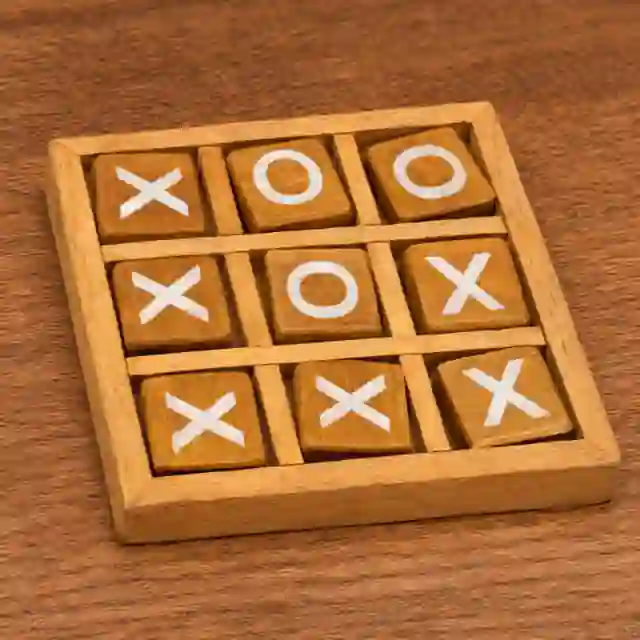
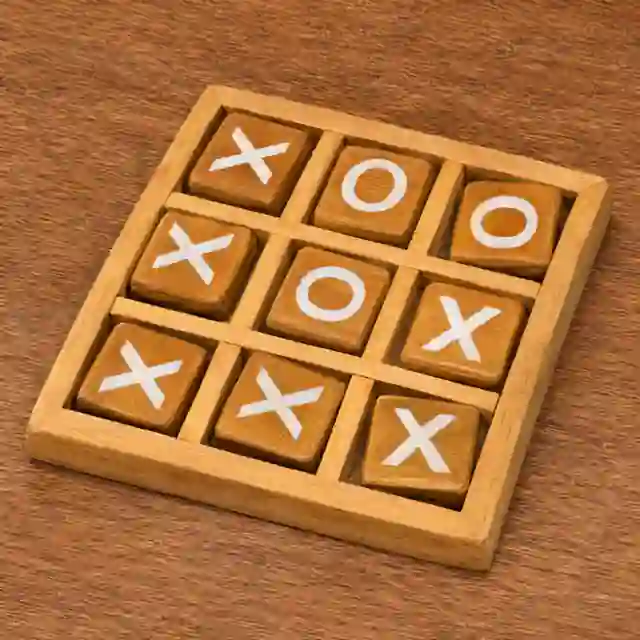
  • Wooden board with the finished game, overhead view
    Azimuth 0 degrees, elevation 90 degrees
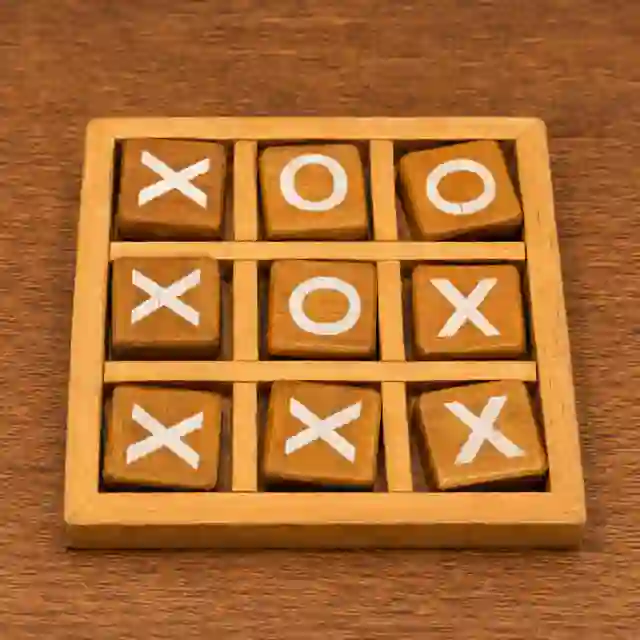
  • Wooden board with the finished game, front view
    Azimuth 0 degrees, elevation 45 degrees
  • Wooden board with the finished game, front-right view
    Azimuth 45 degrees, elevation 45 degrees
  • Wooden board with the finished game, right view
    Azimuth 90 degrees, elevation 45 degrees
  • Wooden board with the finished game, back-right view
    Azimuth 135 degrees, elevation 45 degrees
  • Wooden board with the finished game, back view
    Azimuth 180 degrees, elevation 45 degrees
  • Wooden board with the finished game, back-left view
    Azimuth 225 degrees, elevation 45 degrees
  • Wooden board with the finished game, left view
    Azimuth 270 degrees, elevation 45 degrees
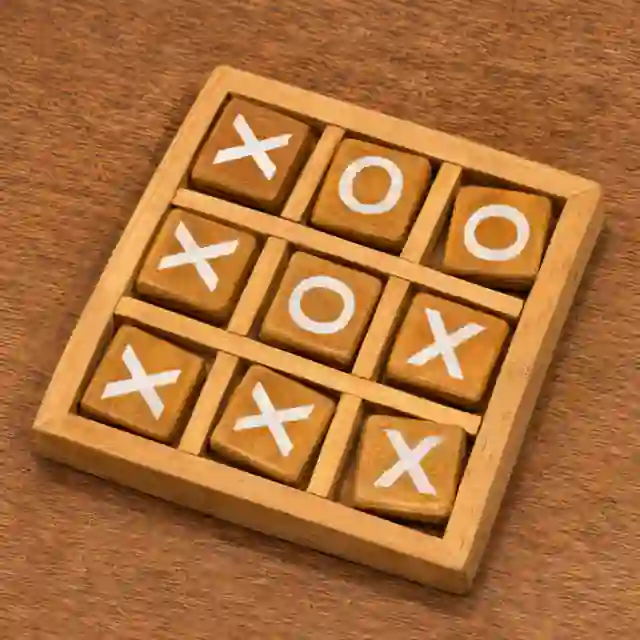
  • Wooden board with the finished game, front-left view
    Azimuth 315 degrees, elevation 45 degrees
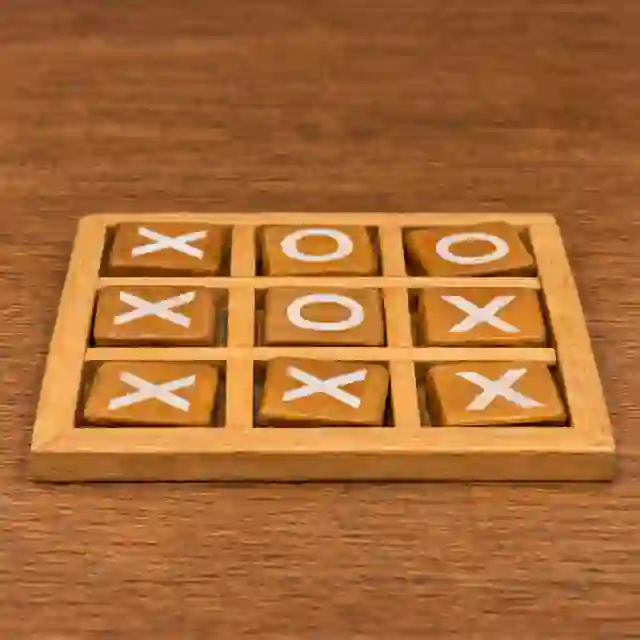
  • Wooden board with the finished game, low front view
    Azimuth 0 degrees, elevation 20 degrees
  • Wooden board with the finished game, low front-right view
    Azimuth 45 degrees, elevation 20 degrees
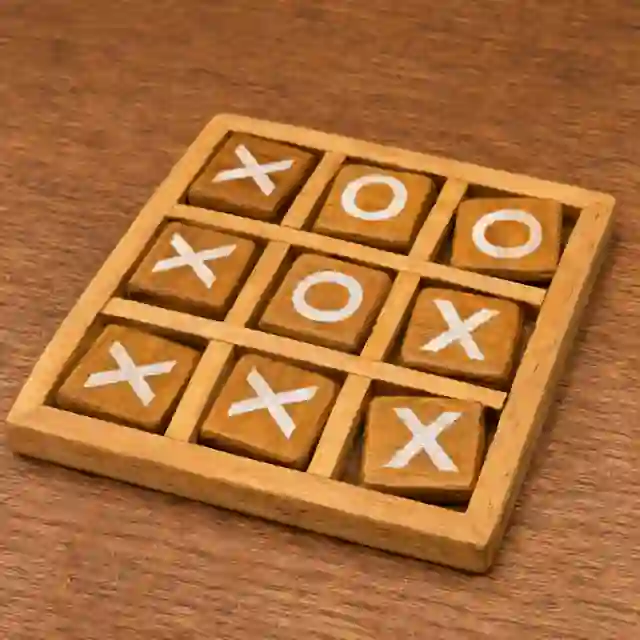
  • Wooden board with the finished game, high front-left view
    Azimuth 315 degrees, elevation 70 degrees

AZ azimuthEL elevationin degrees

08Your move

Your move.

You are X and you go first. I have played this properly for a long time, so the best you will get is a draw. Start with a corner.

Your turn. Pick a square.